

Truett’s Master of Arts in Theology and Healthcare Program Graduates its First Student
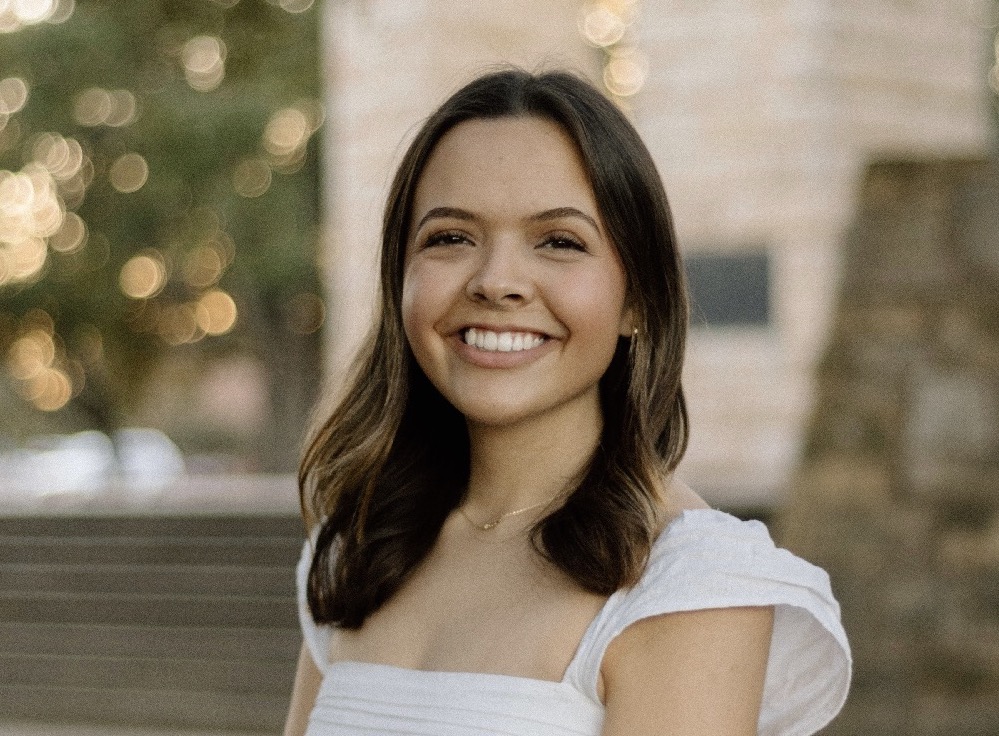
This past summer, Truett Seminary welcomed the first cohort of students in its new Master of Arts in Theology and Healthcare (MATH) program. This one-year degree seeks to provide biblical, theological, and spiritual foundations for students intending to enter healthcare professions. This innovative program offers students the opportunity to develop a faith informed and theologically enriched perspective on healthcare that will prepare them for the current and emerging challenges that daily confront clinicians. During this May’s commencement ceremony, Kiana Morris was the first person to graduate with this degree from Baylor’s Truett Seminary. Kiana recently shared reflections on her time in the program and how it informed her sense of calling.
What led you to enroll in the Master of Arts in Theology and Healthcare?
Honestly, I had never envisioned myself attending seminary and never felt any initial desire to do so. I always knew I wanted to pursue a career in healthcare, and I spent my entire undergraduate experience preparing for that path. After graduating, while I was applying to graduate programs, I spent time in India doing ministry alongside some incredible individuals. During that time and especially upon returning, I found myself wrestling with how my passion for medicine could meaningfully coincide with my zeal for ministry and walking alongside people.
That tension was met in a really unexpected way through an invitation to a Truett lunch at my alma mater, where the MATH program was introduced. It felt like a direct answer to what I had been discerning, offering a framework where healthcare and ministry were not competing callings, but were deeply integrated.
What have been some highlights while at Truett Seminary?
It has been such a gift to participate in Truett classes, MATH-specific courses, and even upper-level undergraduate electives. In my Truett classes, I have been alongside students preparing for Christian ministry, and while my vocation will not be situated within the Church in a traditional sense, there is a shared commitment to serving others and pursuing the common good. That shared vision has been deeply meaningful.
Across all of my classes, being part of such a diverse academic and vocational community has continually expanded my perspective. Learning from the experiences of others has shaped me in significant ways and continues to do so daily. My MATH classes, in particular, have been intellectually and personally transformative. I have had the opportunity to learn from individuals who have gone before me and who bring both deep knowledge and lived wisdom into the classroom. Some of my favorite courses have been Theological Anthropology, the U.S. Healthcare System, and Vocation and Work.
What do you hope to do upon completion of this program? Has this changed from the time you entered the program?

When I first began the program, my goal was to eventually get a Doctor of Physical Therapy (DPT). However, through my time in MATH and a season of intentional discernment, I have decided to pursue medicine through becoming a Physician Assistant (PA). After I graduate this May, I will be in Birmingham, Alabama, completing a summer internship with Cahaba Medical Care.
During this internship, I will be living within the community and working in a clinic that serves medically underserved populations, gaining experience in both patient care in learning the broader factors that impact health. It will also be an opportunity to continue integrating faith and medicine in a practical setting while learning from providers who are committed to serving their communities well.
Through this program, I have come to understand medicine not simply as a profession, but also as an art, a craft, and a calling. The physicians and PAs I have had the privilege of learning from have demonstrated the depth and beauty of their vocations. While I do not know exactly what God holds for my future, I do know that I have a deep and growing passion for community-based health and increasing access to care for my neighbors.
Is there anything else you that you would like to share about the program?
This program has allowed me to begin living out the calling that I believe God has placed on my life, and I will always be grateful for it. I will be especially grateful for Dr. Jason Whitt’s mentorship throughout this process. I have had the opportunity to participate in experiences such as the Christian Community Health Fellowship Conference, complete a practicum through Waco Family Medicine clinics, and learn from a wide range of individuals across both healthcare and ministry, including funeral directors, hospice workers, chaplains, pastors, and physicians. These experiences have profoundly shaped how I understand care, vocation, and the importance of presence with others.